Ovron Motor
Choosing the best Gear Motor Parts in 2026 requires more than comparing prices or browsing familiar brands. Buyers must examine torque ratings, gear ratios, motor efficiency, sealing grades, noise levels, and replacement availability. A gearbox may look identical in a product photo, yet its bearing design can determine whether it survives a dusty conveyor line or fails after repeated starts.
Industry forecasts show continuing demand. Fortune Business Insights estimates the global gear motor market at USD 24.70 billion in 2023, with projected growth toward USD 39.54 billion by 2032. Grand View Research also expects steady expansion through 2030, although published estimates differ. That disagreement matters. It reminds buyers to verify specifications, not repeat market figures blindly. In practical purchasing, a sealed planetary gearbox, stainless-steel shaft, and correctly matched worm gear can reduce maintenance interruptions. Small details matter.
Robert L. Norton’s engineering principle remains highly relevant: “Gears transmit motion and power between shafts.” Our 2026 guide applies that principle to real purchasing decisions. It compares bearings, housings, couplings, encoder options, and motor-brake assemblies for industrial automation, packaging, robotics, and material handling. We also consider regional voltage standards, documentation quality, warranty support, and realistic delivery times. Not every premium component is the best choice. Sometimes, a simpler part performs better. Careful buyers should test compatibility before ordering large quantities. Mistakes happen. A reliable selection process reduces them.
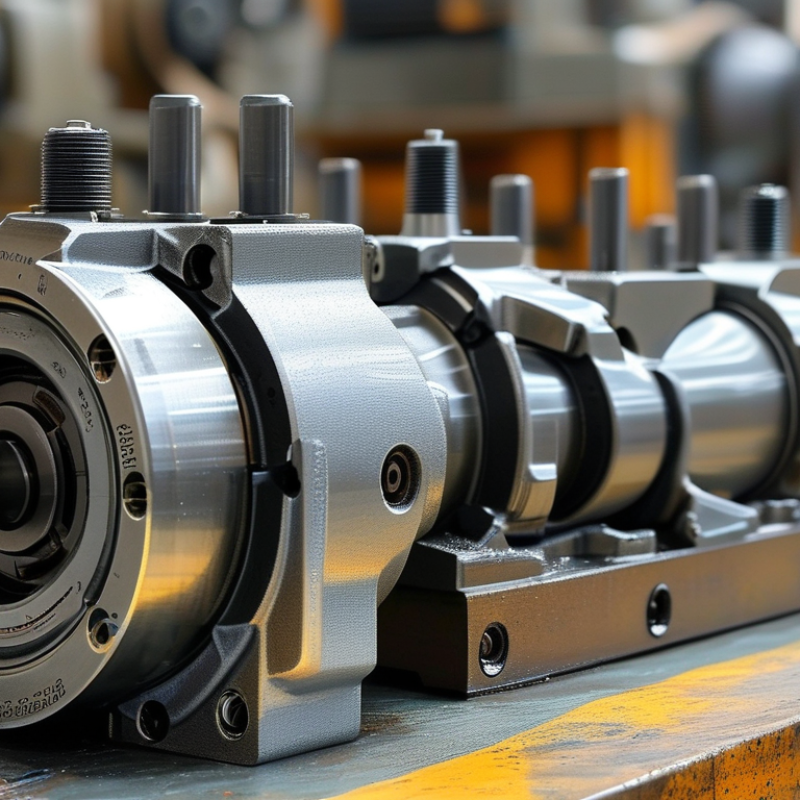
Gear motor parts are the working pieces that turn electrical power into controlled mechanical motion. A motor supplies rotation, while the gearbox adjusts speed, torque, and direction. Typical parts include gears, shafts, bearings, housings, seals, couplings, and encoders. Each part affects operating life. That sounds simple.
In 2026, global buyers need to examine parts, not only complete motor ratings. An undersized bearing may create noise, heat, and early failure under continuous loads. During supplier reviews, I check torque curves, gear materials, shaft tolerances, lubrication methods, and thermal test records. Ask for clear drawings and traceable inspection data. Small differences can affect installation, maintenance, and shipping replacement parts. Compatibility still gets overlooked.
Material choice also matters in dusty factories, outdoor equipment, and automated production lines. Hardened steel gears often handle repeated loads better, while suitable seals help limit moisture and particles. For precise positioning, an encoder and low-backlash gearbox can improve repeatability. Yet specifications can mislead. A listed torque value may apply only briefly, not during constant operation. I have seen buyers choose a compact unit that looked efficient, then discover poor heat dissipation after installation. It is an easy mistake. Reviewing duty cycles, ambient temperature, mounting position, and service access gives a more realistic view of part quality and long-term value.
For global buyers, essential gear motor parts depend on the machine’s load, speed, environment, and duty cycle. The motor supplies power, while the gearbox converts speed into usable torque. Helical gears suit conveyors and packaging lines because they run smoothly. Worm gears provide high reduction in compact spaces, but their heat loss can be significant. Planetary gear sets support high torque in robotics, automated vehicles, and lifting equipment.
Bearings, shafts, seals, and housings determine practical service life. Conveyor systems need robust output bearings and shock-resistant gears. Pumps require reliable seals and corrosion-resistant housings. Food-processing equipment often needs smooth surfaces and washdown protection. Encoders improve position feedback for robotic joints, while brakes help hold vertical loads safely. A small coupling misalignment can create vibration, noise, and premature bearing failure.
The International Energy Agency reports that industry consumes about 37% of global final energy, making motor efficiency a serious purchasing concern. The U.S. Department of Energy also identifies motor-driven equipment as a major share of industrial electricity use. Buyers should request efficiency data, thermal ratings, lubrication guidance, and replacement-part compatibility. ISO 9001 quality systems and IEC motor standards can strengthen supplier reliability. Yet specifications alone are not enough. In field inspections, poor sealing and incorrect lubrication often cause avoidable failures. The overlooked part matters.
When evaluating gear motor parts, begin with actual working conditions, not a catalog photograph. Record torque, speed, duty cycle, voltage, and installation space. Check shaft diameter, keyway size, mounting holes, connector position, and gear ratio. A small mismatch can create vibration, heat, or early seal damage. For global purchases, confirm regional voltage and frequency requirements. Ask for dimensional drawings and tolerance data. Visual confidence is not enough.
Quality depends on materials, machining accuracy, lubrication, and assembly control. Inspect gear teeth for clean profiles, even contact marks, and burr-free edges. Measure backlash and shaft runout with suitable gauges, rather than relying on touch. For electrical parts, verify insulation resistance, winding continuity, and rated current. Request batch traceability, inspection records, and practical load-test results. These documents reveal process discipline. No inspection method catches everything.
Compatibility also includes the controller, brake, encoder, environment, and cable routing. Test the complete assembly under real load, including starts, stops, and reverse cycles. Monitor current, noise, casing temperature, and output speed after thermal stability. A part may pass a bench test yet fail after repeated shock loads. I have seen specifications look correct while an overlooked duty cycle caused trouble. That mistake deserves honest review. Choose suppliers who explain limits clearly and support corrective action with evidence.
How to Evaluate Gear Motor Part Quality, Compatibility, and Performance
| Part / Assembly | Main Quality Dimensions | Typical Technical Data | How to Verify | Compatibility Checks | Performance / Acceptance Guidance | Global Buyer Documentation |
|---|---|---|---|---|---|---|
| Helical, spur, or planetary gears | Tooth accuracy, hardness, surface finish, profile consistency, backlash, and noise control | Common materials include carburized alloy steel, through-hardened steel, or powder-metal alloys. Typical industrial gear accuracy is often specified by ISO 1328 grades, with tighter grades providing better precision. | Review tooth inspection reports, hardness readings, material certificates, backlash measurements, and visual checks for pitting, scoring, burrs, or chipped teeth. | Confirm module or diametral pitch, tooth count, pressure angle, helix angle, gear ratio, center distance, shaft arrangement, and rotation direction. | Backlash and noise must match the application. Gears should transmit the required torque without abnormal temperature rise, vibration, tooth wear, or lubricant contamination. | Gear drawing, inspection report, hardness report, material certificate, heat-treatment record, and traceability code. |
| Output shaft and pinion shaft | Dimensional accuracy, concentricity, straightness, surface hardness, keyway quality, and torsional strength | Typical shaft materials include medium-carbon or alloy steel. Common checks include diameter tolerance, runout, keyway dimensions, thread accuracy, and surface roughness at seal areas. | Use calibrated micrometers, gauges, a runout indicator, thread gauges, and a surface-finish tester. Check for cracks, grinding burns, corrosion, and damaged splines. | Match shaft diameter, usable length, key or spline standard, mounting shoulder, thread direction, radial load capacity, and axial-load limits. | The shaft should resist bending and torsion at the rated load. Excessive runout can cause seal leakage, vibration, bearing wear, and coupling problems. | Dimensioned shaft drawing, tolerance table, material certificate, hardness record, and runout inspection results. |
| Bearings and bushings | Load rating, internal clearance, accuracy class, sealing, temperature capability, and lubrication compatibility | Select according to dynamic and static load ratings, speed, shaft fit, housing fit, operating temperature, and radial or axial load direction. Deep-groove ball bearings are common for many compact gear motors. | Verify bearing designation, dimensional measurements, smooth rotation, noise, grease condition, seal integrity, and batch traceability. Avoid parts with rust, dents, or raceway marks. | Check bore, outside diameter, width, clearance class, seal type, load direction, speed rating, and fit tolerances for the shaft and housing. | Bearing temperature, vibration, and noise should remain stable during endurance testing. Incorrect clearance can cause overheating or excessive shaft movement. | Bearing specification sheet, inspection certificate, lubricant information, storage-life statement, and batch identification. |
| Oil seals and gaskets | Material resistance, sealing lip quality, dimensional accuracy, temperature range, and aging resistance | Common elastomers include nitrile rubber for general mineral-oil applications and fluoroelastomer for higher temperature or chemical resistance. Actual selection depends on lubricant, speed, pressure, and temperature. | Measure inner diameter, outer diameter, and width. Inspect the sealing lip, spring, molding quality, and storage condition. Conduct leakage and pressure-hold tests where applicable. | Match shaft diameter, housing bore, seal orientation, lubricant type, shaft speed, temperature, and any dust or water exposure. | No visible lubricant leakage should occur during the specified test period. Lip damage, shaft grooves, poor installation, and incompatible lubricant can cause early failure. | Material declaration, dimensional report, temperature range, chemical compatibility data, and shelf-life information. |
| Gearbox housing | Rigidity, porosity control, machining accuracy, alignment, heat dissipation, and corrosion protection | Aluminum alloys are common for lightweight compact housings; cast iron or steel may be used where higher stiffness, impact resistance, or thermal mass is required. | Inspect casting quality, machined faces, threaded holes, dowel locations, flatness, bore alignment, and leak tightness. Use coordinate or dimensional inspection for critical mounting features. | Confirm mounting pattern, pilot diameter, shaft center height, allowable installation orientation, cable or connector clearance, and thermal environment. | Housing deformation or misalignment can increase gear noise, bearing load, and seal wear. The housing should maintain alignment under rated torque and temperature. | Housing drawing, material certificate, dimensional inspection report, leak-test record, coating specification, and corrosion-protection details. |
| Electric motor and rotor assembly | Rated output, efficiency, insulation system, thermal protection, winding quality, starting behavior, and vibration | Important parameters include rated voltage, frequency, power, speed, current, duty cycle, insulation class, ingress protection, and allowable ambient temperature. Common motor types include AC induction, brushed DC, and brushless DC. | Perform no-load and load tests, winding-resistance checks, insulation-resistance tests, dielectric-strength tests where required, temperature-rise testing, and vibration measurement. | Match voltage, frequency, phase, controller requirements, mounting dimensions, shaft interface, rated speed, brake or encoder options, and local electrical regulations. | The motor must deliver the required torque at the gearbox input without overheating, excessive current, unstable starting, abnormal noise, or insulation breakdown. | Electrical test report, efficiency or performance curve, insulation data, wiring diagram, protection rating, duty rating, and applicable conformity documents. |
| Brake, encoder, or feedback module | Response time, holding torque, signal accuracy, repeatability, environmental resistance, and electrical interface | Typical feedback specifications include pulse count or resolution, output type, supply voltage, maximum frequency, and signal direction. Brake selection depends on holding torque, release voltage, and duty cycle. | Check electrical pinout, polarity, signal waveform, brake release and holding behavior, response time, and repeatability under operating temperature. | Verify controller compatibility, connector type, voltage level, mounting interface, shaft or hub dimensions, cable length, and electromagnetic-noise requirements. | The device should provide stable feedback or reliable stopping without missed signals, brake slip, chatter, or unintended release. | Wiring diagram, interface specification, response-time record, functional test report, and environmental ratings. |
| Lubricant and lubrication system | Viscosity, additive package, oxidation stability, temperature range, contamination control, and material compatibility | Gearboxes may use mineral or synthetic oils, or purpose-formulated greases. Viscosity grade and quantity must be selected for gear speed, load, ambient temperature, orientation, and sealing design. | Verify lubricant identification, fill quantity, cleanliness, viscosity data, compatibility with seals and gear materials, and evidence of leakage or foaming after testing. | Confirm lubricant type, operating temperature, installation position, service interval, food or chemical requirements, and restrictions on mixing different lubricants. | Correct lubrication reduces wear, heat, and noise. Overfilling can cause churning and heat, while underfilling can cause rapid gear and bearing damage. | Technical data sheet, safety data sheet, batch information, fill-volume specification, and maintenance instructions. |
| Fasteners, keys, circlips, and retaining parts | Strength class, dimensional accuracy, surface treatment, locking method, and corrosion resistance | Fastener selection should consider tensile strength, preload, vibration, temperature, corrosion exposure, and thread engagement. Keys and retaining rings must match shaft and groove dimensions. | Check dimensions, thread condition, coating, hardness where specified, torque settings, and correct installation. Inspect for loosening after vibration or endurance testing. | Match thread standard, diameter, pitch, length, head clearance, key size, groove dimensions, and required locking compound or washer. | Retaining parts must prevent axial movement and loosening under rated vibration and torque. Incorrect fasteners can cause structural failure or gear misalignment. | Material and strength certificate, coating specification, torque procedure, dimensional report, and corrosion-test information where required. |
| Complete gear motor assembly | Torque, speed, efficiency, noise, vibration, temperature rise, leakage, service life, and safety compliance | Key selection data includes rated output torque, starting torque, output speed, reduction ratio, duty cycle, radial and axial loads, efficiency, operating temperature, and allowable overload. | Conduct incoming inspection, no-load running, rated-load testing, direction and speed checks, current measurement, noise and vibration measurement, temperature-rise testing, and leakage inspection. | Confirm mechanical mounting, shaft interface, electrical supply, controller, installation orientation, duty cycle, environmental conditions, and applicable regional standards. | Accept only when measured speed, torque, current, temperature, noise, vibration, and leakage are within the approved specification and remain stable during the defined endurance test. | Final inspection report, performance curve, serial or batch traceability, operating manual, installation instructions, warranty terms, and conformity documentation. |
For 2026 gear motor purchases, certifications should match the application, not merely decorate a datasheet. The IEA reports that electric motor systems consume roughly half of global electricity. Efficiency claims therefore deserve careful checking. Ask for test evidence against IEC 60034-30-1, including the stated IE efficiency class, rated load, voltage, frequency, and operating temperature. A motor marked IE3 is not automatically efficient in every duty cycle.
Check IEC 60034-1 for motor performance and insulation requirements. Review IEC 60529 for the actual IP protection rating, especially where dust or washdown is expected. For gear components, request dimensional records, material certificates, hardness results, and documented gear calculations. ISO 9001 supports production consistency, but it does not certify a specific gear motor part. That distinction is often missed.
For European shipments, verify the EU Declaration of Conformity and applicable CE requirements. Hazardous-area installations may require ATEX compliance or IECEx certification. Other markets can request different conformity evidence. The ISO Survey has recorded more than one million ISO 9001 certificates worldwide, yet a certificate alone cannot prove product reliability. Check its scope, issuing body, validity, and factory address. A certificate can still leave a gap. I would also compare the report number with the exact model, revision, and production site. Small mismatches have caused expensive delays. Keep these checks in the purchase file. (Sources: IEA Energy Efficiency analysis; ISO Survey; IEC 60034 and IEC 60529 standards.)
For global gear motor purchases, IEC 60529 IP ratings help buyers compare enclosure protection against water ingress. The second IP digit indicates water protection: IP54 and IP55 provide protection against splashing and water jets, while IP65 and IP66 add dust-tight protection. Buyers should also verify applicable requirements such as IEC 60034, ISO 9001 supplier quality systems, CE or UKCA conformity, UL or CSA requirements, and RoHS restrictions for the destination market.
Sourcing gear motor parts begins with accurate operating data. Record torque, speed, duty cycle, ambient temperature, and mounting dimensions. A clear drawing prevents costly assumptions. Specify gears, shafts, bearings, seals, housings, and couplings separately. Ask suppliers for material certificates, heat-treatment details, dimensional reports, and batch traceability. Request a sample when fit or surface finish remains uncertain.
Compare more than unit price. Check tooth accuracy, shaft hardness, bearing clearance, sealing quality, and expected service life. Review the supplier’s inspection process and technical response time. A low-cost gear may require faster replacement. That hidden cost matters. For international purchases, confirm packaging, moisture protection, spare-part availability, and communication standards. Independent inspection can also verify critical dimensions before shipment.
Maintenance should follow actual operating conditions, not only a calendar. Check lubricant level, oil contamination, abnormal noise, vibration, backlash, and housing temperature. Inspect seals after washdown or dusty operation. Keep a small inventory of wear parts, but avoid storing rubber seals near heat or sunlight. Maintenance records should include running hours and failure symptoms. This evidence improves future purchasing decisions.
Some comparisons remain imperfect. Supplier test conditions may not match your machine. A laboratory result cannot replace field observation. Review the first installed batch closely, especially during startup and load changes. Small alignment errors often become large repair bills. Never ignore them.
Record torque, speed, duty cycle, voltage, temperature, and available installation space. A clear drawing helps. Also measure shaft diameter, keyway size, mounting holes, connector position, and gear ratio.
Small dimensional differences can cause vibration, heat, seal damage, or difficult installation. Check tolerances, not just appearance. A matching photograph proves very little.
Inspect gear teeth for clean profiles, even contact marks, and burr-free edges. Measure backlash and shaft runout with proper gauges. Touch alone is not enough.
Request material certificates, hardness results, dimensional reports, inspection records, and batch traceability. Load-test data is useful. Still, no document catches every failure.
Verify insulation resistance, winding continuity, rated current, voltage, and frequency requirements. Confirm regional electrical conditions. A motor can look correct and still perform poorly.
Yes. Check the controller, brake, encoder, cable routing, environment, and mounting arrangement. Test the complete assembly under real load. Include starts, stops, and reverse cycles.
Match certifications to the application and destination market. Review efficiency evidence, performance requirements, enclosure protection, and hazardous-environment approvals when relevant. A quality certificate does not certify every specific part.
Compare tooth accuracy, shaft hardness, bearing clearance, sealing quality, service life, packaging, and technical response time. Ask about spare parts. Cheap parts may create faster replacement costs.
Monitor lubricant condition, contamination, noise, vibration, backlash, seals, and housing temperature. Record running hours and failure symptoms. Inspect more closely after dusty operation or washdown.
Do not assume laboratory tests match field conditions. Check the first batch during startup and load changes. Small alignment errors can become expensive repairs. Some comparisons remain imperfect.
In 2026, Gear Motor Parts remain essential for converting motor power into controlled speed and torque across automation, material handling, robotics, industrial equipment, and other applications. Key components may include gears, shafts, bearings, housings, seals, couplings, and mounting elements. Selecting the right part requires matching dimensions, gear ratio, torque capacity, operating speed, load type, temperature range, lubrication needs, and environmental conditions. A well-matched component can improve efficiency, reduce noise, and extend equipment service life.
Global buyers should evaluate material quality, machining precision, surface treatment, durability, interchangeability, and verified performance data before purchasing. They should also check relevant safety, quality management, electrical, and environmental certifications required in the destination market. Comparing suppliers involves reviewing technical documents, sample consistency, lead times, minimum order quantities, warranty terms, packaging, and after-sales support. Proper installation, lubrication, alignment, inspection, and scheduled replacement of worn components are equally important for maintaining reliable gear motor performance and controlling long-term operating costs.
