Ovron Motor
The demand for Coreless DC Motors is growing rapidly worldwide. Experts predict this trend will continue. Dr. Emily Carter, a renowned specialist in motor technology, states, "Coreless DC Motors offer efficiency and performance that traditional motors can't match." This highlights the significance of these components across various applications.
In diverse industries, manufacturers rely on Coreless DC Motors for their lightweight and compact design. These motors reduce friction and enhance performance, making them ideal for portable devices. However, the market is saturated with options. Buyers need to be cautious. Not all products meet the promised standards. Ensuring quality is crucial.
As consumers seek the best choices for Coreless DC Motors, understanding specifications is essential. The right motor can improve efficiency and longevity. Nevertheless, potential buyers often overlook important details. With proper research, the ideal motor solution is within reach. Seeking expert opinions can offer guidance and mitigate risks.
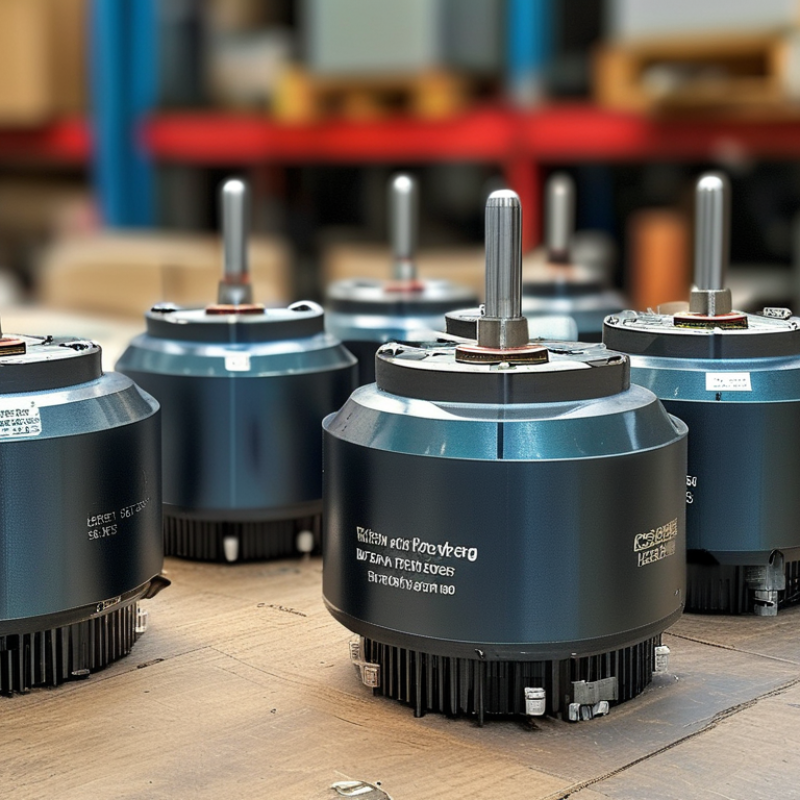
Coreless DC motors have gained popularity due to their unique design and numerous advantages. Unlike traditional motors, they feature a rotor that is directly connected to the stator. This results in a more compact structure, which can be significantly lighter. Furthermore, the absence of a core leads to increased efficiency, allowing for better performance in various applications.
These motors exhibit remarkable responsiveness and speed control. Their ability to start quickly makes them ideal for applications requiring precision. However, not all coreless DC motors are created equal. Some may lag in durability or torque output. Buyers should weigh these factors carefully. A clear understanding of specifications is key to making informed choices.
Another point of consideration is heat generation. Coreless motors can run hot under continuous load. This can affect lifespan and performance. Manufacturers often recommend suitable applications to mitigate potential issues. Still, some users may overlook these details, leading to poor motor life. Hence, careful research and understanding are crucial for optimal battery-driven designs.
When selecting coreless DC motors, several key factors demand attention. The motor’s dimensions and weight are critical. Smaller motors often deliver excellent power-to-weight ratios. This makes them suitable for compact applications. Check the motor's operating voltage and current ratings. These specifications ensure compatibility with your system and prevent potential overload.
Efficiency is another vital aspect. A more efficient motor translates to longer battery life and reduced heat generation. Look at the speed-torque characteristics to ensure the motor meets your performance expectations. Additionally, consider the manufacturing quality. Variances in production can lead to reliability issues later on.
Noise level might seem trivial but can be significant in certain applications. Testing the motor under expected conditions will provide crucial insights. Balancing performance, durability, and size can be challenging. In the end, the right coreless DC motor should align with your specific needs while maintaining reliability and efficiency. Be prepared to reassess your choices, ensuring they meet your standards and expectations.
The coreless DC motor market has seen significant growth in recent years. According to recent industry reports, the global market is expected to reach a value of approximately $1.2 billion by 2026. This rise underscores the increasing demand for compact and efficient motors in various applications. Key players in the industry are innovating to enhance performance, focusing on the miniaturization of components.
Several leading manufacturers in the coreless DC motor sector are utilizing advanced materials. Research indicates that these materials improve efficiency by up to 15%. This efficiency boost is crucial in sectors such as robotics and medical devices, where precision is paramount. However, the industry still faces challenges. Despite technological advancements, some products struggle with heat dissipation, affecting reliability in prolonged operations.
In evaluating the best options, it's essential to consider power-to-weight ratios and torque characteristics. Experts recommend selecting motors that balance performance with thermal management. Moreover, ongoing research aims to address common limitations. The goal is to develop coreless DC motors that satisfy the increasing demands of diverse applications worldwide.
Coreless DC motors have become essential in various applications worldwide. Their lightweight design and compact size make them suitable for consumer electronics, medical devices, and automotive technologies. A recent market report indicated that the global demand for coreless DC motors is projected to reach approximately $1.5 billion by 2026. Industries are increasingly adopting these motors for precision tasks, where reliability and efficiency are paramount.
In medical equipment, coreless DC motors drive critical devices like infusion pumps and surgical tools. Their ability to maintain consistent performance under varying loads is vital. In robotics, these motors provide agile movements, enhancing operational efficiency in manufacturing. A study found that around 30% of robotic applications utilize coreless motors, emphasizing their importance in modern automation.
However, challenges remain. Coreless motors can be sensitive to temperature fluctuations, impacting their performance and longevity. Maintenance protocols must be established to address these issues effectively. The industry is working on improving these technologies, but continuous evaluation and adaptation are necessary for optimal use in specific applications. Addressing these areas will ensure that coreless DC motors remain a reliable choice for buyers globally.
| Model | Rated Voltage (V) | Rated Speed (RPM) | Max Torque (mNm) | Weight (g) | Applications |
|---|---|---|---|---|---|
| Model A | 12 | 20000 | 10 | 50 | Drones, Robotics |
| Model B | 9 | 18000 | 15 | 40 | Medical Devices |
| Model C | 6 | 15000 | 12 | 30 | Consumer Electronics |
| Model D | 12 | 22000 | 8 | 60 | Automotive, HVAC |
As we approach 2026, the coreless DC motor technology is evolving rapidly. Key improvements focus on enhancing efficiency and reducing weight. This trend is pivotal for applications in robotics and portable devices where space is a constraint. Lighter motors can lead to more nimble designs, allowing for innovative product development. Manufacturers are exploring advanced materials and design techniques. These changes are necessary, but not without challenges.
Innovators in this field must consider thermal management and electromagnetic interference. Balancing performance with these issues is crucial. Some experts suggest that power density might lead to overheating without proper solutions. The significance of effective heat dissipation cannot be understated.
Additionally, there is growing interest in integrating smart features into coreless DC motors. Real-time monitoring and performance analytics can offer users valuable insights. However, implementing these technologies requires careful planning. The potential for smart motors is exciting, yet it poses challenges in terms of cost and complexity. Collaboration across disciplines will be necessary to navigate these hurdles successfully.
: Focus on dimensions, weight, voltage, and current ratings. These factors ensure compatibility and prevent overload.
Higher efficiency leads to longer battery life and less heat generation. This is crucial for performance.
They determine if the motor meets your performance needs. Check them carefully before making a decision.
Variances in production can cause reliability issues. Always assess the quality of the manufacturer.
Yes, noise can significantly affect certain applications. Testing under expected conditions helps understand performance.
Innovations focus on increasing efficiency and reducing weight, especially for compact applications like robotics.
Higher power density can lead to overheating if not managed properly. Effective heat dissipation solutions are essential.
Real-time monitoring and performance analytics can enhance functionality. However, they add complexity and cost.
Different fields must work together to overcome challenges in developing new technologies. This ensures successful outcomes.
Be ready to reassess your choices. Align them with your standards and specific needs for optimal results.
Coreless DC motors are gaining popularity due to their numerous advantages, including compact design, high efficiency, and lightweight nature. These motors eliminate the traditional iron core, resulting in faster response times and lower inertia. When choosing a coreless DC motor, several key factors should be considered, such as torque requirements, size constraints, and power supply specifications.
The applications of coreless DC motors span various industries, from robotics and medical devices to consumer electronics and automotive systems. Their versatility makes them a preferred choice for precision tasks. Looking ahead, future trends in coreless DC motor technology indicate innovations that will enhance performance, reduce costs, and improve integration with smart technologies, ensuring they remain a vital component in advancing engineering solutions worldwide.
