In the world of automation and robotics, the Brushless Gear Motor stands out for its efficiency and reliability. Dr. Emily Chen, a leading expert in motor technology, once stated, "The evolution of brushless motors is reshaping the future of mechanical systems." This highlights the significance of brushless gear motors in various applications, from drones to electric vehicles.
Brushless gear motors combine precision and power. They utilize electronic commutation instead of brushes, ensuring smoother operation and less wear. This technology leads to longer lifespans and reduced maintenance compared to traditional motors. For industries relying on high performance, these motors are indispensable.
However, not all applications may benefit from a brushless gear motor. There are specific scenarios where cost and complexity could outweigh the advantages. Additionally, the initial investment can be higher than traditional options. Understanding these nuances is crucial for making informed decisions. The rise of brushless gear motors is exciting, but excellence in application and engineering remains key.
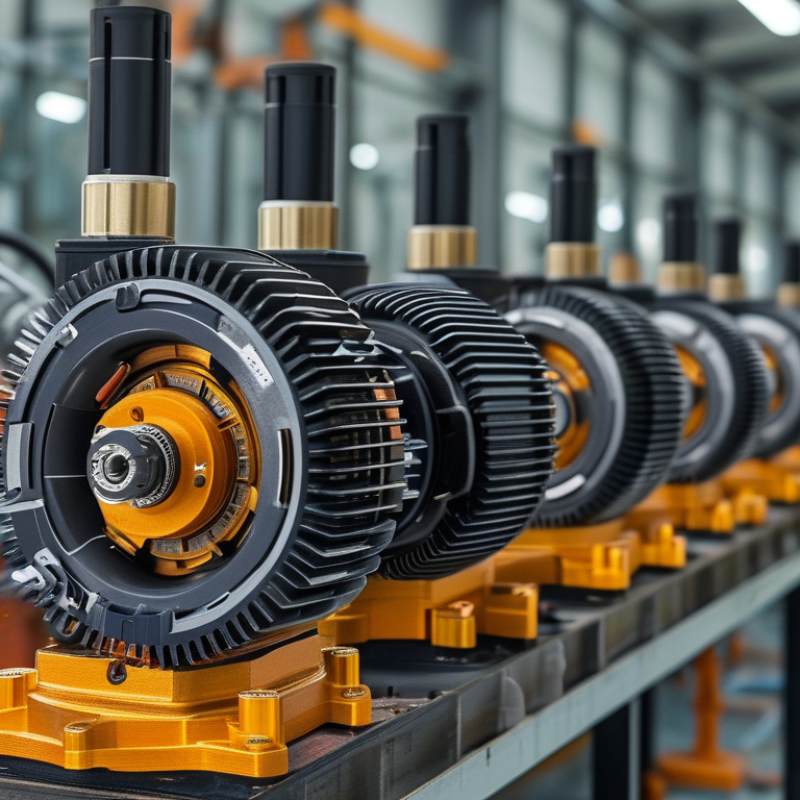
Definition and Overview of Brushless Gear Motors
Brushless gear motors are innovative devices combining a brushless motor with gear reduction. They offer high efficiency and precision in various applications. The construction typically includes a stator, rotor, and gears. The absence of brushes in the motor design reduces friction. This leads to less wear and tear over time.
These motors use electromagnetic principles to create motion. When electricity flows through the windings, it generates a magnetic field. This field interacts with the rotor, causing it to spin. As the rotor turns, the attached gears reduce the speed while increasing torque. This makes them suitable for precise control needed in robotics and automation.
Brushless gear motors are known for their durability and performance. However, they can be more complex to control than brushed motors. Understanding their characteristics is essential for effective application. Some users may face challenges in integrating them into existing systems. This complexity requires careful planning and knowledgeable handling.
What is a Brushless Gear Motor and How Does it Work? - Definition and Overview of Brushless Gear Motors
| Parameter |
Description |
| Type |
Brushless DC Motor |
| Construction |
Permanent magnets on rotor, coils on stator |
| Efficiency |
Higher efficiency compared to brushed motors |
| Control Method |
Electronic commutation |
| Applications |
Robotics, drones, electric vehicles |
| Torque Characteristics |
High torque at low speeds |
| Maintenance |
Low maintenance due to absence of brushes |
| Lifespan |
Longer lifespan compared to brushed motors |
Key Components of Brushless Gear Motors and Their Functions
Brushless gear motors are a blend of efficiency and precision. They are primarily made up of key components that work together seamlessly. The rotor is the rotating part, essential for generating motion. It spins within the stator, the stationary part of the motor. This design reduces friction, which enhances performance and lifespan.
An integral part of the brushless gear motor is the electronic controller. This component manages the motor’s operation. It adjusts the speed and torque based on the input signals. This allows for precise control, crucial in applications that demand high accuracy. The gearing mechanism multiplies torque and allows for slower speeds, making it ideal for various mechanical systems.
While these motors offer notable advantages, they also present challenges. One common issue is the complexity of the electronic controller. If not designed correctly, it can lead to performance inconsistencies. Moreover, the initial cost is often higher than traditional motors. These factors require careful consideration during the design phase. Understanding both the strengths and limitations is essential for optimal use.
Brushless Gear Motor Efficiency Compared to Traditional Motors
Working Principle of Brushless Gear Motors Explained
Brushless gear motors are essential components in various applications, from robotics to electric vehicles. Their working principle relies on magnetic fields generated by the stator. Unlike traditional motors, these use electronic controllers to replace mechanical commutation. This results in higher efficiency and reduced wear. According to a report by Markets and Markets, the global brushless motor market is projected to reach $16.77 billion by 2025, driven by advancements in automation.
The torque produced by a brushless gear motor is influenced by several factors. The motor’s winding design, the type of magnetic materials used, and the overall gear ratio play crucial roles in performance. Research indicates that brushless motors can achieve efficiency ratings above 90%, far exceeding traditional brushed motors. However, leveraging these benefits requires precise control algorithms. Improvements in control technology are necessary for optimizing performance. Engineers often encounter challenges in balancing speed and torque, which can lead to inefficiencies in certain applications.
Challenges persist in the industry, particularly regarding heat dissipation. Effective cooling systems are crucial for maintaining performance. Without proper thermal management, even the best designs can fail. Additional research is needed to optimize materials for better heat resistance. Understanding these dynamics can empower engineers to make informed decisions, improving the overall utility and lifespan of brushless gear motors.
Advantages of Using Brushless Gear Motors in Applications
Brushless gear motors have become a popular choice in various industries due to their efficiency and reliability. One of the key advantages is their longer operational lifespan. According to a recent industry report, brushless motors can last up to 25% longer than their brushed counterparts. This longevity reduces maintenance costs for companies, making them a more economical choice in the long run.
Additionally, brushless gear motors offer better performance in terms of efficiency. They can achieve efficiency rates of 85-90%, significantly reducing energy consumption. This is crucial for applications where power efficiency is a priority. As energy costs rise, using these motors can lead to significant savings for businesses. Furthermore, their compact design allows for use in tighter spaces, enhancing versatility across a range of applications.
Tip: When selecting a brushless gear motor, consider the torque and RPM requirements. Matching these specifications to your application will ensure optimal performance.
Moreover, the reduced noise levels of brushless gear motors contribute to a better working environment. Studies indicate noise pollution has a direct impact on employee productivity. By lowering operational noise, companies can create more conducive workspaces. However, users should reflect on the potential thermal issues that may arise, as these motors may generate heat under heavy loads. Proper thermal management is essential to maintain performance and reliability.
Common Applications of Brushless Gear Motors in Industry
Brushless gear motors are gaining popularity in various industrial applications. These motors combine the benefits of brushless technology with gear systems. Their reliability and efficiency make them suitable for many sectors, including robotics, automation, and manufacturing.
In robotics, brushless gear motors provide precise control and high torque. They help robots perform complex tasks with finesse. For automation, these motors enhance system performance and minimize maintenance needs. In manufacturing, they contribute to efficient production lines. Efficiency often matters, especially in high-demand settings.
Tips: When selecting a brushless gear motor, consider torque requirements and speed ranges. Look for specifications that align with your application's demands. Evaluate the environment where the motor will operate to ensure durability. Small dimensions can be critical for space-constrained installations.
One challenge is compatibility with existing systems. Transitioning to brushless gear motors may require adjustments in design. Testing is essential; not all motors will perform as expected in every context. Be open to feedback and consider iterations for better outcomes. The right brushless gear motor can significantly enhance productivity if chosen wisely.
FAQS
: They are devices that combine brushless motors with gear reduction for improved efficiency and precision.
They use electromagnetic principles. When electricity flows, it generates a magnetic field that spins the rotor.
They have a longer operational lifespan, lasting up to 25% longer than brushed motors.
They can achieve efficiency rates of 85-90%, which reduces energy consumption significantly.
Lower noise levels improve workplace conditions and enhance employee productivity.
Torque and RPM requirements are crucial for ensuring optimal performance in applications.
Yes, they can be complex to control and may require careful planning for integration into existing systems.
Users may need to manage thermal issues, as these motors can generate heat under heavy loads.
Their compact design allows for use in tight spaces, adding versatility across various applications.
The longevity of brushless gear motors may lead to reduced maintenance costs over time, but issues can still arise.
Conclusion
A Brushless Gear Motor is a sophisticated electromechanical device that combines the advantages of brushless motors and gear reduction systems. It consists of key components such as the rotor, stator, and gearbox, each playing a crucial role in its operation. The brushless motor design eliminates the need for brushes, resulting in enhanced efficiency, reduced wear, and longer lifespan. By functioning through electromagnetic fields generated in the stator, the motor provides precise speed and torque control.
The working principle involves converting electrical energy into mechanical motion through the interaction of magnetic fields. One of the main advantages of using Brushless Gear Motors is their ability to maintain high performance with minimal maintenance. These motors find common applications across various industries, including robotics, automotive, and aerospace, where reliability and efficiency are paramount. Their ability to deliver consistent power and precision makes them a popular choice for modern automated systems.
 Ovron Motor
