How to Choose the Best Ready to Ship Gear Motor for Your Needs?

Time:2026-07-13 Author:Aria
0%

Choosing the right gear motor is crucial for your project’s success. A **Ready to Ship Gear Motor** offers convenience and efficiency. However, not every motor will meet your specific needs. Understanding your requirements is key.

When evaluating motors, consider their specifications such as torque, speed, and size. Each application may demand different qualities. Many buyers rush this decision, leading to mismatches and frustration. Taking time to analyze your project can save costs and improve performance.

Remember, reliability is essential. A poorly chosen motor can cause delays and operational issues. Seek advice from industry experts who can guide you. This approach enhances your confidence in making the right choice. Prioritize quality; this will yield the best results over time.
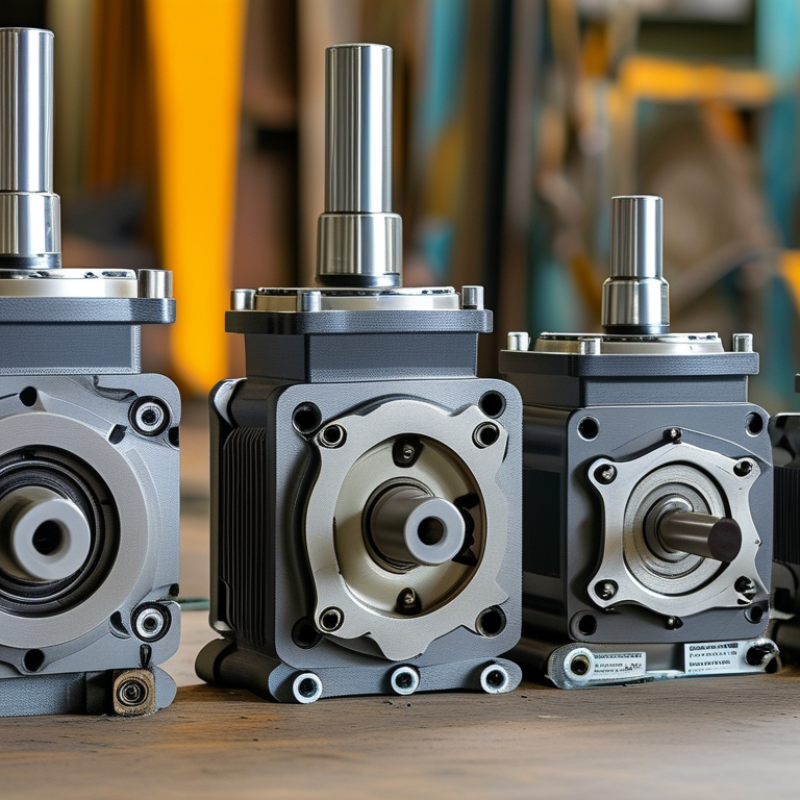
How to Choose the Best Ready to Ship Gear Motor for Your Needs?

Understanding the Basics of Gear Motors and Their Applications

Gear motors are vital in many industrial applications. Understanding their basics can help you make informed choices. A gear motor combines a motor with a gear train. This design amplifies torque while reducing speed. Such features make gear motors suitable for numerous tasks, from conveyor systems to robotics.


Different types of gear motors exist, including planetary, worm, and helical gears. Each type has unique advantages and drawbacks. Planetary gears are compact and efficient, while worm gears excel in applications needing high torque at low speeds. However, the worm gear has lower efficiency due to inherent friction. These factors must be considered based on your specific application needs.


Choosing the right gear motor involves careful consideration of characteristics such as load requirements and speed ranges. You might find that a motor that looks perfect on paper does not perform as expected in real-world conditions. Testing various models can reveal nuances. Listening to the motor's performance can offer insights into power consumption and reliability. Always analyze feedback from users, but remember, every application has unique needs. There’s no one-size-fits-all solution.

Identifying Specific Requirements for Your Gear Motor Needs

When selecting a gear motor, it is crucial to identify your specific requirements. Consider the application where the motor will be used. Is it for robotics, conveyor systems, or industrial machinery? Each application has unique demands. For instance, high torque is essential for lifting heavy loads, while speed is vital for rapid applications.

Next, assess the environment. Certain motors perform poorly in extreme temperatures or humid conditions. Understanding your operating conditions helps prevent failures. For example, a motor exposed to wet environments may need additional sealing to function reliably.

Additionally, evaluate the size and weight constraints. Make sure the motor fits comfortably in your setup. A bulky motor can lead to design complications. Some users overlook this and face fitting issues later. Reflect on power requirements too. An underpowered motor may not meet your goals, while an overpowered one can draw excess energy. Balancing power and efficiency is key for optimal performance.

Evaluating the Performance Specifications of Ready-to-Ship Gear Motors

When evaluating ready-to-ship gear motors, performance specifications play a crucial role. Consider torque output first. Torque determines the motor's ability to perform a task. High torque is essential for heavier applications. Check the motor speed too. Optimal speeds ensure smooth operations and reduce wear over time.

Another important specification is the power rating. Higher power ratings often indicate better efficiency and lifespan. Look at the gear ratio next. This factor influences speed and torque distribution. A well-chosen gear ratio balances both requirements for your application.

Lastly, pay attention to the motor's efficiency rating. An efficient motor saves energy and reduces operational costs. Don't forget to consider size and weight. Space constraints can limit your options. Remember, not every motor fits every application perfectly. Research and evaluate to find a suitable match for your specific needs.

Comparing Types of Gear Motors Available in the Market

When selecting a gear motor, understanding the types available is essential. Gear motors generally fall into three categories: planetary, worm, and spur. Each type has unique advantages. Planetary gear motors are compact and efficient, making them ideal for tight spaces. Worm gear motors provide high torque at low speeds, perfect for applications requiring heavy lifting. Spur gear motors offer straightforward designs and are often more affordable.

The choice of gear motor can significantly affect performance. Consider the application’s requirements. Planetary gear motors shine in robotics and automation. Worm gear motors excel in conveyor systems. Spur gear motors are common in household appliances.

One might overlook the importance of motor compatibility with existing systems. Mismatched gear motors can lead to inefficiencies. Additionally, assessing load capacity is crucial. Oversized motors waste energy, while undersized ones may fail prematurely. An informed choice can improve performance and longevity. Trustworthy suppliers can also guide these decisions, enhancing the selection process further.

Considering Cost, Supplier Reputation, and Warranty Options

When selecting a ready-to-ship gear motor, consider the cost carefully. A lower price may seem appealing but can lead to hidden issues. Cheaper options may lack durability or efficiency. Investing in a slightly more expensive motor could save you money in the long run. Always ask yourself: does the cost reflect the quality?

Supplier reputation is another key factor. A reputable supplier usually offers a proven track record. Look for reviews and testimonials that highlight their reliability. Interactions with customer service also give insight into their professionalism. Can you get support when needed? A strong reputation often indicates better products and services.

Warranty options deserve attention too. A solid warranty can provide peace of mind. It shows confidence in the product's durability. However, digging deeper into warranty terms is essential. What does it cover? Are there exclusions? Knowing these details helps you make a well-informed choice. Always weigh these elements to find a gear motor that truly fits your needs.

FAQS

: What should I consider when selecting a gear motor?

: Identify the application, such as robotics or industrial machinery. Each has unique demands.

How does environment affect gear motor performance?

Motors can fail in extreme temperatures or humidity. Proper sealing may be necessary for wet conditions.

Why is size and weight important for gear motors?

Bulky motors may complicate design. Ensure the motor fits comfortably in your setup to avoid later issues.

What happens if I choose an underpowered motor?

An underpowered motor may not meet performance goals. It can lead to operational failures.

How do I know if the motor's torque is sufficient?

Check the torque output. High torque is essential for heavier applications.

Where can I find efficiency ratings for gear motors?

Efficiency ratings are often found in motor specifications. They indicate energy savings and lifespan.

How does gear ratio affect motor performance?

Gear ratio influences speed and torque distribution. A well-chosen ratio balances requirements for your application.

Should I prioritize power rating when selecting a motor?

Yes, higher power ratings usually indicate better efficiency. However, balance power with your needs.

What is a common mistake when selecting gear motors?

Overlooking size constraints may lead to fitting issues. Always measure before making a choice.

Can every motor fit every application?

No, not every motor matches every application perfectly. Research thoroughly for the best fit.

Conclusion

When selecting the best Ready to Ship Gear Motor to meet your specific needs, it's essential to start with a solid understanding of gear motors and their various applications. Begin by identifying your unique requirements, such as power, speed, and torque. Evaluating the performance specifications of available gear motors becomes crucial, ensuring they align with your operational demands.

Furthermore, comparing the different types of gear motors on the market allows you to weigh the advantages of each. Cost considerations, supplier reputation, and warranty options should also play a significant role in your decision-making process. By thoroughly assessing these factors, you can secure a Ready to Ship Gear Motor that not only fits your budget but also meets your performance expectations efficiently.

Aria

Aria

Aria is a dedicated marketing professional with a deep passion for innovative strategies and a keen understanding of our company's product offerings. With a wealth of experience in the industry, Aria excels at crafting engaging content that highlights the unique features and benefits of our......