2026 How to Choose the Best Motor With Encoder?

Time:2026-07-20 Author:Amelia
0%

Choosing the right motor with encoder can be daunting. With various options available, making an informed decision is crucial. An encoder enhances motor precision, improving performance in many applications. This article aims to guide you in selecting the best motor with encoder for your needs.

Understanding the specific requirements is vital. Consider the power rating, torque, and speed. Each project has unique demands, and not all motors fit every scenario. An oversized motor might lead to inefficiency, while an undersized one may not deliver the needed performance.

A reliable motor with encoder can significantly impact operational efficiency. Research different brands and models before committing. Seek feedback from experienced professionals. Doing so can help avoid common pitfalls. Remember, the right choice requires careful consideration and insight into available technologies. Take your time to ensure optimal selection.
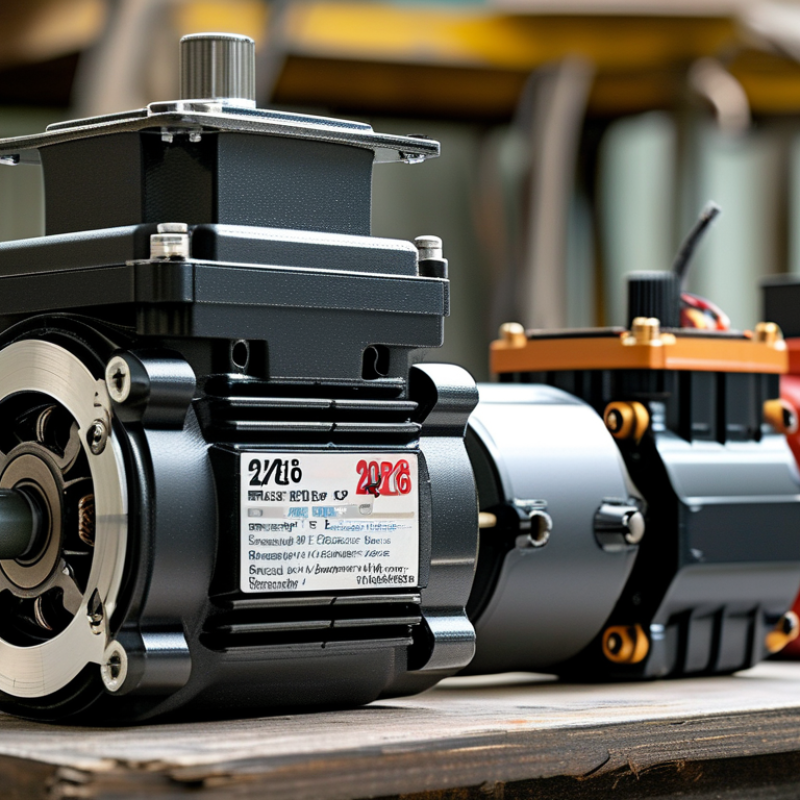
2026 How to Choose the Best Motor With Encoder?

Understanding the Basics of Motors and Encoders

When selecting a motor with an encoder, it’s crucial to grasp the core concepts of both components. Motors convert electrical energy into mechanical energy. They come in various types, such as stepper, servo, and DC motors. Understanding their functions helps in choosing the right one for your application. Encoders, on the other hand, provide feedback on the motor's position and speed. They help achieve precision in movement and control.

To illustrate, consider a scenario where your project requires precise control over movement. Using a stepper motor with an optical encoder can enhance accuracy. However, if your system needs high speed and torque, you might opt for a servo motor with a different type of encoder. The learning curve can be steep. Sometimes, the motor may not perform as expected. You may face issues with integration or responsiveness.

It's important to weigh the pros and cons of different motor and encoder combinations. Take time to experiment with various setups. Document your findings to identify patterns in performance. This iterative process leads to better decisions on selecting the optimal motor with encoder for your needs.

Key Factors in Selecting the Right Motor for Your Application

Choosing the right motor with an encoder involves several critical factors. One key element is the torque requirement of your application. Motors must deliver sufficient torque to handle the load efficiently. Consider how much force the motor needs to overcome resistance during operation. This often means testing motors under different loads to find the best fit.

Another important aspect is the speed range. Understanding the operational speed is crucial for accuracy. Some applications require high-speed operation, while others need slow and steady movements. Selecting a motor capable of providing the required speed without losing performance is essential. It's often helpful to look at various models to evaluate their speed versus torque curves.

Additionally, think about the environment where the motor will operate. Factors like temperature, humidity, and the presence of dust can impact the motor's efficiency. An unsuitable environment can lead to frequent failures. Reflecting on these conditions helps in choosing a motor that will last longer and perform reliably. Often, engineers find themselves surprised by how environment impacts overall performance. Making thoughtful choices can significantly affect your project's success.

Types of Encoders and Their Compatibility with Motors

When selecting a motor with an encoder, understanding the types of encoders available is crucial. Encoders can be categorized into incremental and absolute types. Incremental encoders measure changes in position incrementally, while absolute encoders provide a unique position value at each point. Industry reports indicate that incremental encoders dominate the market, accounting for roughly 70% of all encoder sales.

Compatibility between motors and encoders can be complex. Various motors require specific encoder types to ensure optimal performance. For example, stepper motors frequently pair with incremental encoders. This combination allows for precise movement control. Meanwhile, servo motors often utilize absolute encoders for higher accuracy. In fact, the global market for servo motors is projected to grow by 7.1% annually, partly due to advancements in encoder technology.

Tip: Always check the resolution and speed of the encoder. Higher resolution means better accuracy but can increase costs. Ensure the encoder's specifications align with your application's needs. Additionally, consider the environmental factors like temperature and vibration, as they can impact performance.

Choosing the right combination is essential, yet many tend to overlook the importance of encoder type in achieving desired motion control. Conducting thorough research may uncover unexpected findings regarding compatibility and efficiency.

Evaluating Performance Parameters: Torque, Speed, and Precision

Choosing the right motor with an encoder is crucial for performance in various applications. When evaluating performance parameters, torque, speed, and precision play vital roles. Torque determines the motor's ability to handle load. A higher torque rating indicates stronger performance. However, excessive torque can lead to overheating. It's essential to find the right balance for your specific task.

Speed is another key parameter. It affects how quickly a motor can perform its function. Motors with higher speeds yield faster operations, but precision may suffer at extreme speeds. Assessing the required speed for your application is important. Consider potential issues with overshooting or undershooting in movement.

Tips: Always consider the application's demands when selecting a motor. A small tweak in torque or speed can drastically change outcomes. Aim for a motor that provides reliable results over time. Testing under actual conditions can reveal unexpected behavior. It's vital to ensure precise parameters align with your goals for optimal performance.

Integration Considerations: Wiring and Control Systems

When selecting a motor with an encoder, integration considerations play a crucial role. Wiring must be straightforward, ensuring proper connections without excessive complexity. A well-planned wiring layout reduces installation time. According to industry reports, improper wiring can lead to a 15% increase in system failures, highlighting the importance of clear integration strategies.

Control systems need to be compatible with the motor and encoder types. Inefficient communication between these components can result in lag or erratic behavior. Data from recent studies indicate that systems with optimized control integration improve performance by up to 20%. This efficiency translates into better operational output and reduced downtime.

Moreover, engineers often overlook the importance of feedback mechanisms. Encoders provide real-time data, but they need to be configured appropriately. Misconfigured systems can lead to inaccurate readings, causing operational issues. Reflecting on the setup process can unveil potential pitfalls, ensuring a smoother integration experience. Attention to detail at this stage is vital for long-term reliability and performance.

2026 How to Choose the Best Motor With Encoder? - Integration Considerations: Wiring and Control Systems

Parameter Value Notes
Motor Type Brushless DC High efficiency and lifespan
Power Rating 250 W Suitable for moderate load applications
Encoder Type Incremental Provides relative position feedback
Resolution 1000 CPR High-resolution for precise control
Control System PID Controller Provides stable performance characteristics
Wiring Requirements 4 Wires Basic wiring for power and signal
Operating Voltage 24 VDC Common voltage for industrial motors
Environmental Rating IP54 Protected against dust and water splashes

FAQS

: What is the purpose of a motor?

: A motor converts electrical energy into mechanical energy. It enables movement in various applications.

What are the main types of motors?

Common motor types include stepper, servo, and DC motors. Each type serves different purposes.

How do encoders enhance motor performance?

Encoders provide feedback on position and speed. This feedback improves precision in movement control.

What are the differences between incremental and absolute encoders?

Incremental encoders measure changes incrementally. Absolute encoders provide a unique position value at every point.

Why is compatibility between motors and encoders important?

Correct compatibility ensures optimal performance. Different motors require specific encoder types for best results.

How can wiring affect motor system performance?

Proper wiring is crucial. Poor wiring can increase system failures by 15% and complicate installations.

What impact does the resolution of an encoder have?

Higher resolution offers better accuracy. However, it may also lead to increased costs.

Why should feedback mechanisms be considered during integration?

Encoders give real-time data but must be configured correctly. Misconfiguration can cause inaccurate readings and issues.

What is the benefit of optimizing control systems?

Optimized control systems improve performance by up to 20%. This leads to better output and lower downtime.

What common mistakes should be reflected upon during setup?

Engineers often overlook feedback configurations. Ignoring details here can lead to operational pitfalls.

Conclusion

When selecting a Motor With Encoder for your specific application, it's essential to understand the fundamental principles of both motors and encoders. The article provides insights into key factors influencing the selection process, including compatibility between different types of encoders and motors. It emphasizes the importance of evaluating performance parameters such as torque, speed, and precision to ensure the motor meets the operational requirements.

Additionally, integration considerations such as wiring and control systems are discussed, highlighting the necessity of seamless connection and functionality between the motor and encoder for optimal performance. By carefully assessing these elements, you can successfully choose the best Motor With Encoder to enhance the efficiency and effectiveness of your application.

Amelia

Amelia

Amelia is a seasoned marketing professional with a wealth of expertise in our company’s core offerings. With an unwavering passion for driving growth and innovation, she plays a pivotal role in shaping our marketing strategies and enhancing brand visibility. A key aspect of her responsibilities......