Ovron Motor
Choosing the right DC Gear Motor can be a daunting task. Many factors influence your final decision. The right motor can enhance your project’s efficiency. It is crucial to match the motor’s specifications with your unique needs.
DC Gear Motors are integral in various applications, from robotics to industrial machinery. Understanding torque requirements and speed is essential. Many options are available, making the selection process tricky. A motor too weak may not perform adequately. Conversely, an overpowered motor can waste energy and drive costs up.
Consider the environment where the motor will operate. Different settings demand different features. Some motors are designed for high durability, while others may prioritize speed. Reflecting on these details will lead to a more informed choice. Ultimately, the goal is to find a balance between performance and efficiency in your DC Gear Motor selection.
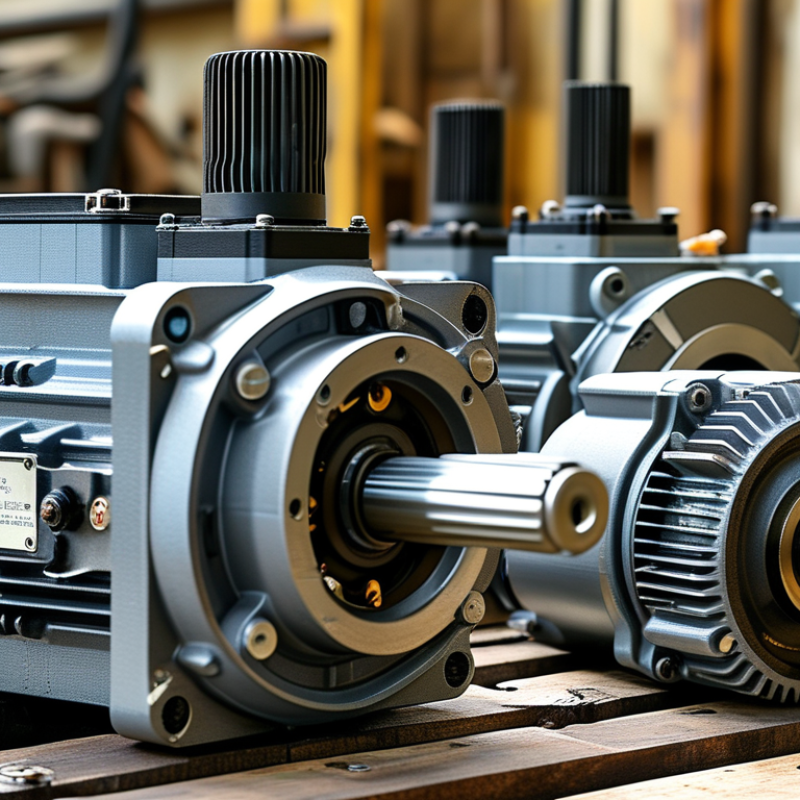
Understanding the Basics of DC Gear Motors can significantly impact your project outcomes. These motors convert electrical energy into mechanical energy, offering precise control over speed and torque. They are commonly used in robotics, conveyors, and automotive applications. Selection depends on specific needs, including speed, load capacity, and space constraints.
When choosing a DC gear motor, consider the required torque. Calculate the load your application demands. This ensures the motor can handle the task effectively. Pay attention to the gear ratio as well. A higher gear ratio offers greater torque but lowers speed. Finding the right balance is crucial.
Another tip is to focus on size and weight. Compact designs save space but may limit power. If space isn’t an issue, larger motors might provide better efficiency. Finally, review the motor's efficiency ratings. A more efficient motor can save energy and reduce running costs over time. Making informed decisions leads to better performance and reliability in your projects.
When selecting a DC gear motor, understanding key specifications is crucial. The torque rating is one of the most vital parameters. Torque directly influences the motor's ability to handle load without stalling. Industry reports indicate that motors with higher torque ratings can often perform better in voltage-sensitive applications. Ensuring the torque aligns with your application requirements can prevent performance issues.
Another essential specification is the gear reduction ratio. A higher gear ratio typically provides increased torque but reduces speed. A study from the Electric Motor Association highlights that this can be a trade-off in many designs. For applications requiring precision, a lower gear ratio may allow for finer control. Conversely, for simple tasks, a higher ratio may enhance performance.
Additionally, consider the motor's efficiency rating. More efficient motors consume less power and generate less heat. Reports suggest that optimizing motor efficiency can lead to significant energy savings. Yet, inefficiencies can arise from heat generation and load mismatches. Thus, assessing the efficiency alongside the other specifications might reveal deeper insights.
| Specification | Description | Example Values |
|---|---|---|
| Voltage | The operating voltage of the motor, typically in volts. | 6V, 12V, 24V |
| Torque | The twisting force the motor can provide, usually in Nm (Newton-meters). | 0.5 Nm, 1.5 Nm, 3 Nm |
| Speed | The rotational speed of the motor, typically in RPM (revolutions per minute). | 100 RPM, 200 RPM, 300 RPM |
| Gear Ratio | The ratio that determines the torque and speed characteristics of the motor. | 10:1, 20:1, 50:1 |
| Size | Physical dimensions of the motor, determining fit for your application. | 25mm, 40mm, 60mm |
| Efficiency | The efficiency rating of the motor, often a percentage of energy converted to useful work. | 70%, 80%, 90% |
| Duty Cycle | The amount of time the motor can operate before needing a cooldown period. | Continuous, Intermittent |
When selecting a DC gear motor, torque and speed requirements are crucial. Torque determines how much force the motor can exert, while speed defines how fast it operates. Understand your application well. A robot arm may require more torque to lift heavy items. Conversely, a conveyor belt might prioritize speed for efficient transport. Misjudging these factors can lead to poor performance.
It's essential to evaluate how much load the motor will face. Calculate the necessary torque based on the load's weight and the distance from the motor's axis. This may require some trial and error, as you consider real-world conditions. Keep in mind that speed and torque are often inversely related. A faster speed may reduce available torque. Adjusting gear ratios may help balance these needs.
Many users overlook the importance of power supply. Ensure that your motor matches the voltage and current of your system. Testing in practical scenarios can highlight potential issues. Reflect on previous selections and their outcomes. This process might lead to discovering more about your specific needs and preferences.
When choosing a DC gear motor, understanding the different types available is crucial. There are many configurations, each tailored for specific applications. You may encounter permanent magnet motors, which are common due to their efficiency and ease of use. Another option is the brushless motor, providing better longevity and less maintenance.
Consider the gear ratio carefully. A higher ratio offers more torque but less speed. Conversely, a lower ratio can give you higher speeds but with less torque. Make sure the motor aligns with your project's requirements. If you're unsure about the ratios, consult with experts in the field.
Keep in mind the physical dimensions of the motor as well. Custom fits can save space in your design. Don't overlook the mounting options either. It can affect performance and stability. Always verify the specifications in real-life scenarios. Prototyping can help identify potential issues before full-scale production. These reflections can lead to more effective decisions regarding your motor choice.
When selecting a DC gear motor, proper sizing and mounting are essential. According to a report by the National Institute of Standards and Technology, up to 30% of motor failures are due to improper installation. Accurate measurements can prevent these costly mistakes. It is vital to assess the load requirements, including torque and speed. Incorrect calculations can lead to inefficiency and reduced lifespan.
Mounting should also not be overlooked. The alignment of the motor and load is critical. A misaligned setup may lead to increased wear and tear. Ensure that the mounting surface is stable and that the gear motor is securely fixed. Vibration can affect performance significantly, potentially leading to premature failure.
Detailed attention to the environment is also necessary. Ambient conditions like temperature and moisture can impact motor functionality. Always consider these factors when planning installation. Keeping in mind guidelines from industry reports can lead to better performance outcomes, though it’s important to remember that each application is unique. Regular evaluation of the installation process can help identify any issues. Adjustments may be necessary to optimize the setup for your specific needs.
: A DC gear motor converts electrical energy into mechanical energy, controlling speed and torque.
Consider torque, load capacity, and space constraints when selecting a DC gear motor.
Torque must meet your application's load demands to ensure effective motor performance.
Higher gear ratios increase torque but reduce speed. Finding the right balance is key.
Compact motors save space but may offer less power. Larger motors can improve efficiency.
Improper sizing can lead to inefficiency and shorten the motor's lifespan, causing costly failures.
The motor and load must be accurately aligned to prevent wear and potential failure.
Factors like temperature and moisture can impact functionality, so consider these conditions during installation.
Regularly evaluate the installation and make necessary adjustments to optimize the motor's setup.
Yes, poor mounting can increase wear, leading to premature failure. Proper alignment and stability are essential.
When selecting the right DC Gear Motor for your application, it's crucial to understand the fundamentals of these motors, including their design and function. Key specifications such as voltage, current, and gear ratio should be carefully evaluated to ensure compatibility with your specific needs. Additionally, assessing the torque and speed requirements is essential to optimize performance for various tasks.
Different types of DC Gear Motors are available, each suited to unique applications. It’s also important to consider proper sizing and mounting practices to maximize efficiency and longevity. By taking these factors into account, you can make an informed decision, ensuring the selected DC Gear Motor will effectively meet your requirements and enhance your project's success.
