Top 10 Stepper Gear Motors for Global Buyers Guide?

Time:2026-08-09 Author:Henry
0%

The global demand for Stepper Gear Motors is on the rise. According to a recent report by MarketsandMarkets, the market is expected to grow at a compound annual growth rate (CAGR) of 5.2% from 2023 to 2028. This growth is attributed to the increasing adoption of automation in various industries, such as robotics and manufacturing.

Industry expert Dr. Emily Liu notes, "Stepper Gear Motors are crucial for precise movements and enhanced control in automated systems." Her insights underline the importance of selecting the right motor for optimal performance. As buyers navigate this expanding market, understanding the top models available is essential.

However, not all Stepper Gear Motors are created equal. Some may lack reliability or efficiency. Buyers must consider performance metrics, torque ratings, and compatibility with existing systems. This careful selection process is vital for ensuring long-term success and minimizing operational setbacks.
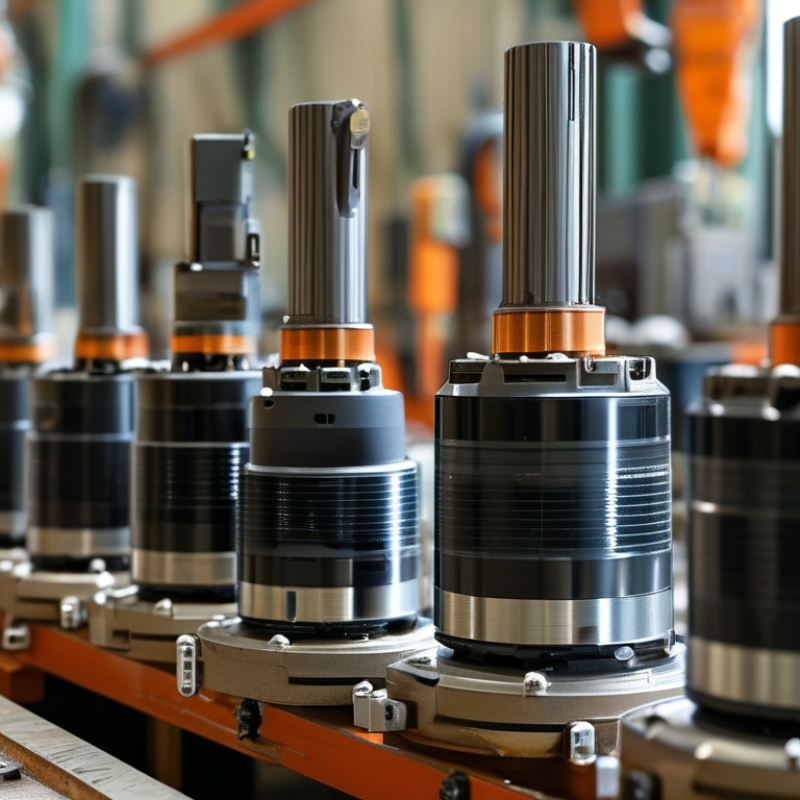
Top 10 Stepper Gear Motors for Global Buyers Guide?

Overview of Stepper Gear Motors and Their Applications

Stepper gear motors play a crucial role in various industries, offering precision and control. These motors combine the advantages of stepper motors and gear systems. They provide high torque and accurate positioning. This makes them suitable for applications like robotics, CNC machines, and automated equipment.

In recent years, the demand for stepper gear motors has grown significantly. Industries are looking for efficient solutions to enhance their processes. The ability to control speed and position precisely is valuable. However, users often need to consider factors like load requirements and operational environments. Not all stepper gear motors are created equal. Therefore, understanding the specific needs of an application is vital.

These motors also present challenges. For instance, heat dissipation can impact performance during prolonged use. Buyers must weigh the benefits against potential drawbacks. Finding the right motor involves thorough research and testing in real-world scenarios. In the end, informed decisions can lead to enhanced productivity and reliability in applications.

Factors to Consider When Selecting a Stepper Gear Motor

When selecting a stepper gear motor, several key factors come into play. One major consideration is torque. The motor should provide enough torque to handle your specific application. Insufficient torque can lead to performance issues. It is also important to consider the step angle. A smaller step angle allows for finer control but may increase complexity in the system.

Speed is another critical element. Different applications require varying speeds, so understanding your needs is essential. For example, a robotics application may demand rapid movements, while a positioning system might prioritize accuracy over speed. Additionally, evaluating the gear ratio is crucial. A higher gear ratio can boost torque, but it may also reduce speed.

Don't overlook thermal management. Stepper motors can generate heat, affecting performance and lifespan. Proper cooling solutions can mitigate overheating. Finally, consider the motor's operating environment. Factors like humidity, dust, and temperature can impact motor efficiency. Always assess how these conditions match your operational needs. Making informed choices is crucial for successful integration.

Top 10 Stepper Gear Motors: Key Features and Specifications

Stepper gear motors are pivotal in automation. Their precision and torque make them suitable for various applications, from robotics to CNC machinery. Key features include holding torque, step angle, and gear ratio. For example, a motor with a 200-step angle offers 1.8° precision. This is essential for tasks requiring fine movement.

Industry reports indicate that the global stepper motor market is projected to reach $4.7 billion by 2027. This growth spotlights the rising demand for automation in sectors like manufacturing and automotive. Higher efficiency and reliability are driving this trend. However, buyers should consider not only specifications but their application needs.

**Tips:** When selecting a stepper gear motor, focus on torque requirements first. Ensure the motor's capabilities align with your project's demands. Reliability is crucial; check for manufacturer certifications. Lastly, always factor in the cost of ownership. Investing in quality can reduce long-term expenses.

Comparative Analysis of Leading Stepper Gear Motor Brands

When considering stepper gear motors, a comparative analysis reveals significant differences among leading brands. Each brand offers unique features and specifications that cater to various applications. The torque output, step accuracy, and operational speed are key factors to evaluate. Buyers should delve into performance metrics, assessing how these motors will function in real-world scenarios.

Reliability is crucial when choosing a motor. Some brands may claim high efficiency but fall short in long-term durability. It’s important to examine user reviews and industry reports. Testing in multiple conditions can also provide clarity on a motor’s true performance. Understanding these nuances can lead to better purchasing decisions, but caution is needed.

A visual representation of torque curves can make patterns clearer. Comparing these curves may expose inconsistencies among products. However, beware of marketing claims that seem too good to be true. The need for thorough research and hands-on testing is paramount. It’s an art and science to select the right stepper gear motor for your needs.

Maintenance Tips for Enhancing the Longevity of Stepper Gear Motors

Maintaining stepper gear motors is crucial for their performance and longevity. Regular inspections can help identify potential issues early. Look for any signs of wear or unusual noises during operation. Proper lubrication is essential. Use the recommended grease or oil to reduce friction and wear. This simple step can significantly extend the motor's life.

Temperature control is another critical factor. Stepper motors should not overheat. Ensure your motor operates within its specified temperature range. Install cooling fans if necessary. Dust and debris can also affect performance. Keep the motor clean by regularly removing any buildup. Use compressed air to blow out dust from hard-to-reach areas.

Electrical connections deserve attention as well. Loose wiring can lead to erratic performance. Check for secure connections periodically. If you notice any irregularities, address them immediately. Such small details may seem trivial but can have a significant impact on efficiency and reliability. Consistent maintenance will yield better results and enhance the motor’s reliability over time.

FAQS

: What should I consider when selecting a stepper gear motor?

: Key factors include torque, step angle, speed, gear ratio, and operating environment.

Why is torque important for a stepper gear motor?

Torque determines if the motor can handle the specific application effectively.

What role does the step angle play in motor performance?

A smaller step angle allows for finer control, but it adds complexity to the system.

How does speed affect the choice of a stepper gear motor?

Applications require different speeds. Some need fast movements; others need precision.

Why is thermal management crucial for stepper motors?

Overheating can harm performance and lifespan, so proper cooling solutions are necessary.

What maintenance tips can enhance the longevity of stepper gear motors?

Regular inspections, lubrication, and temperature control are vital for performance.

How often should I inspect my stepper gear motor?

Regular inspections help catch potential problems early, ensuring better reliability.

What is the significance of gear ratio in stepper motors?

A higher gear ratio can increase torque but might decrease speed.

How can dust affect stepper motor performance?

Dust and debris can hinder efficiency, so keeping the motor clean is essential.

What should I check regarding electrical connections?

Ensure all wiring is secure. Loose connections can lead to erratic motor performance.

Conclusion

This article provides a comprehensive guide to Stepper Gear Motors, highlighting their fundamental characteristics and diverse applications across various industries. It begins with an overview of Stepper Gear Motors, explaining their role in precision control and how they integrate with different systems. Factors to consider when selecting a Stepper Gear Motor include torque requirements, speed, and environmental conditions, ensuring optimal performance for specific applications.

The article further presents a detailed list of the top 10 Stepper Gear Motors, showcasing their key features and specifications, which aids buyers in making informed decisions. A comparative analysis of leading Stepper Gear Motor brands is also included, emphasizing the strengths and unique offerings of each. To extend the lifespan and maintain efficiency, the article concludes with practical maintenance tips, ensuring that users can maximize the performance of their Stepper Gear Motors over time.

Henry

Henry

Henry is a dedicated marketing professional with a profound expertise in the company's offerings. With years of experience in the industry, he possesses an impressive understanding of the market dynamics and consumer behaviors that drive success. Henry is committed to sharing his insights through......